Mural Wallpaper vs Regular Wallpaper: What Is the Difference?
Compare mural wallpaper with regular wallpaper by design, repeat, sizing, installation, cost, and the type of room each option suits.
Article focus: pricing and measurement
Quick answer
Start with accurate wall measurements; the final custom mural price depends on area, material and any finishing options.
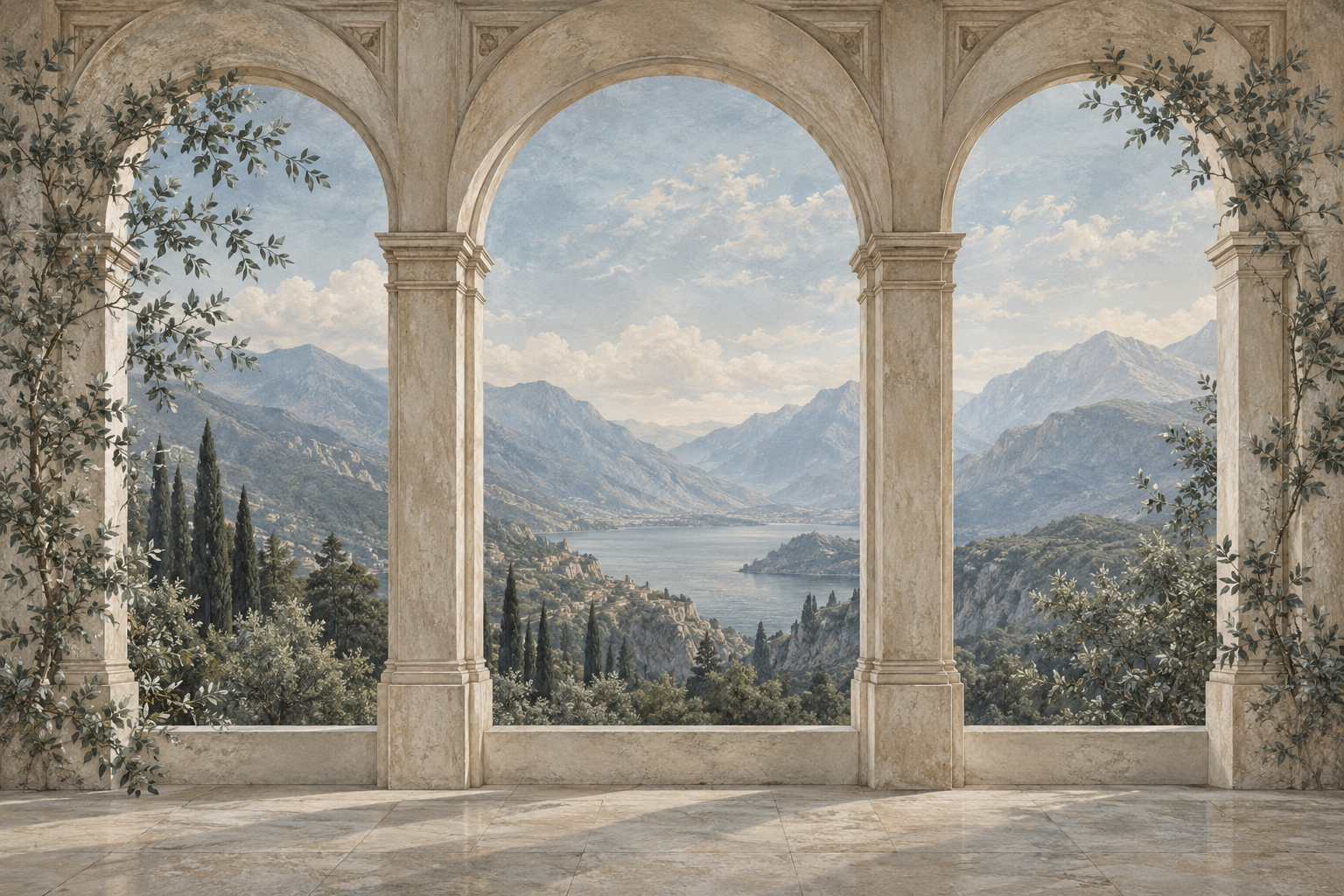
Example application: Any room with a suitable, prepared wall · pricing and measurement
The simplest difference between mural wallpaper and regular wallpaper is how the artwork is organised. Regular wallpaper is commonly designed around a repeating pattern. Mural wallpaper is designed around a larger scene or composition that progresses across the wall. Both can transform a room, and both can be made from several materials, but they create a different visual rhythm and require slightly different planning.
Choosing between them is not only about whether you prefer a picture or a repeat. Consider the wall size, furniture placement, installation confidence, budget, and how often you expect to redecorate. A repeat can be forgiving when a wall is interrupted by doors or windows. A mural can create a stronger focal point when the wall is broad enough for the composition to read clearly.
Quick answer: The simplest difference between mural wallpaper and regular wallpaper is how the artwork is organised. Regular wallpaper is commonly designed around a repeating pattern. Mural wallpaper is designed around a larger scene or composition that progresses across the wall. Both can transform a room, and both can be made from several materials, but they create a different visual rhythm and require slightly different planning.Design and pattern structure
Regular wallpaper typically repeats a motif from one strip to the next. The installer matches the pattern at the seams, and the repeat may continue around the room. A mural usually has a left-to-right or top-to-bottom image sequence. Each panel belongs in a particular position, so panel order matters more than it does with a small repeating print.
Neither format is automatically more premium. A finely drawn repeat can look architectural and refined, while a mural can feel like a large painting. The right choice depends on whether you want the wall to provide an all-over background or tell a visual story from one side to the other.
Measuring and cropping
With regular wallpaper, the repeat and roll length affect how much material is needed. With a mural, the wall dimensions influence the crop, subject placement, and final panel widths. This is why custom murals are often ordered to the exact wall size. Use our how to measure a wall for a custom mural before comparing prices, especially if the ceiling slopes or the wall has alcoves.
A mural should be previewed against the architecture. Check where the main face, tree, flower, horizon, or geometric line will sit relative to furniture. Regular wallpaper is generally less sensitive to one specific crop, although windows and corners still need careful planning.
Installation and repair
Both options may be available as paste-the-wall, pre-pasted, or peel-and-stick products. The installation method is therefore not determined by whether the design is a mural. What changes is the alignment logic: a mural needs the correct panel sequence and a careful first drop, while a repeating wallpaper needs consistent pattern matching.
If a section is damaged, a repeating design may be easier to patch because the same motif appears elsewhere. A mural can also be repaired or reprinted, but the replacement panel must match the artwork and colour. Keep spare material, the order details, and the panel labels after installation.
Cost and room impact
The final price depends on area, material, print quality, shipping, and installation rather than the word mural alone. A small fixed-size mural kit can cost less than a custom full-wall product, while a premium traditional wallpaper repeat may cost more than an entry-level printed mural. Our our wall mural cost guide explains how to compare the whole project rather than only the roll price.
Mural wallpaper often works best as one statement wall, which can control the budget and give the room a strong focal point. Regular wallpaper may be the better value when you want to wrap all four walls or create a consistent background across multiple rooms.
 Textured plaster mural wallpaper used as a calm wall background
 Geometric mural wallpaper showing a large-scale wall composition
Before you place the order
- Confirm the wall measurements in one consistent unit and keep a written copy.
- Check the material, installation method, cleaning guidance, and removal conditions.
- Order a sample when colour, texture, scale, or adhesion could affect the decision.
- Ask about custom cropping, production time, delivery, and what happens if a panel arrives damaged.
- Keep the product instructions, panel labels, order details, and any spare material after installation.
Questions worth asking the supplier
- Is this exact material suitable for my room conditions and wall finish?
- Will the design be custom-sized, cropped, or supplied as a fixed kit?
- What is the recommended installation and removal method?
- How long are production and delivery likely to take for my destination?
- Can I receive a physical sample or review a crop before production?
Frequently asked questions
Do mural wallpapers all use the same material?
Should I order a sample?
Can I install every mural myself?
Practical checklist for this mural wallpaper question
Start with the room rather than the product page. For “Mural Wallpaper vs Regular Wallpaper: What Is the Difference?”, note whether the wall is a feature wall, a full-room installation, a rental surface or a high-contact area. Write down the room use, natural light, furniture position, ceiling height and the visual mood you want. These details make the final choice more specific and help you reject attractive options that would be impractical in the real space.
Measure before selecting a final crop. Record the usable width and height at several points, then include windows, doors, sockets, radiators, alcoves and skirting boards. A wall can be out of square even when it looks straight. For “Mural Wallpaper vs Regular Wallpaper: What Is the Difference?”, accurate measurements protect the main composition and make it easier to decide where a horizon, flower, architectural line or other important feature should sit.
Surface preparation is a design decision as well as an installation task. The wall should be clean, dry, stable and reasonably smooth. Remove loose paint, repair holes, reduce heavy texture and allow repairs to dry fully. When considering “Mural Wallpaper vs Regular Wallpaper: What Is the Difference?”, remember that wallpaper cannot hide damp, movement, deep ridges or unstable paint. A sound surface gives the mural cleaner seams and a more predictable finish.
Think about scale from the distance at which the mural will normally be viewed. A small room may need a calm composition with breathing space, while a large wall can carry a stronger focal subject. For “Mural Wallpaper vs Regular Wallpaper: What Is the Difference?”, preview the artwork beside the actual furniture and openings. Check both the full-wall view and the close-up detail so the design remains attractive after it is enlarged and divided into panels.
Material affects how the project feels before, during and after installation. Compare paste-the-wall, non-woven, vinyl and peel-and-stick options by surface condition, handling, removability, cleaning needs and the experience of the person installing them. For “Mural Wallpaper vs Regular Wallpaper: What Is the Difference?”, choose the finish that suits the room and the wall rather than choosing only by the lowest price. A good material match reduces avoidable rework.
The order confirmation should be treated as a final design proof. Check the spelling of the address, wall width, wall height, unit, crop direction, panel order, material and any trim allowance. For “Mural Wallpaper vs Regular Wallpaper: What Is the Difference?”, also confirm that the preview shows the complete composition you intend to buy. If an important detail is too close to an edge, ask for a change before production begins.
Plan the installation day before the parcel arrives. Clear the wall, protect the floor, gather a sharp knife, straightedge, level, smoothing tool, clean cloth and suitable adhesive when required. For “Mural Wallpaper vs Regular Wallpaper: What Is the Difference?”, allow enough time to work without rushing. Keep panels in order, read the supplied instructions and avoid cutting every panel before the first placement has been checked.
Lighting can change the apparent colour and texture of a mural. View a sample or preview in daylight and in the room’s evening lighting, especially when the design contains pale neutrals, dark backgrounds or reflective areas. When evaluating “Mural Wallpaper vs Regular Wallpaper: What Is the Difference?”, compare the artwork with flooring, upholstery, wood, stone and metal already in the room. The best result usually feels connected to the existing palette.
Care should be planned according to the selected finish. Use the manufacturer’s cleaning instructions, avoid saturating seams, remove marks gently and keep sharp furniture edges away from vulnerable areas. For “Mural Wallpaper vs Regular Wallpaper: What Is the Difference?”, ask how the surface should be maintained before ordering if the room is busy or likely to need frequent cleaning. Careful handling protects colour, adhesion and the crisp appearance of the image.
A custom mural is made for a particular wall, so the project information deserves a final pause before payment. Confirm the design source, image resolution, crop, dimensions, material, delivery address and the contact method for questions. For “Mural Wallpaper vs Regular Wallpaper: What Is the Difference?”, keeping a copy of the approved preview and order details makes later installation or support conversations much easier.
Use a simple decision record to compare alternatives. Write one sentence explaining why the chosen design suits the room, one sentence explaining why the material suits the wall, and one sentence explaining how the installation will be completed. For “Mural Wallpaper vs Regular Wallpaper: What Is the Difference?”, this short record exposes missing information early and turns a broad inspiration search into a clear, achievable mural wallpaper plan.