Can You Customise the Colours or Design of a Mural Wallpaper?
Understand the difference between choosing a crop, changing colours, editing composition, and commissioning a fully custom mural design.
Article focus: pricing and measurement
Quick answer
Start with accurate wall measurements; the final custom mural price depends on area, material and any finishing options.
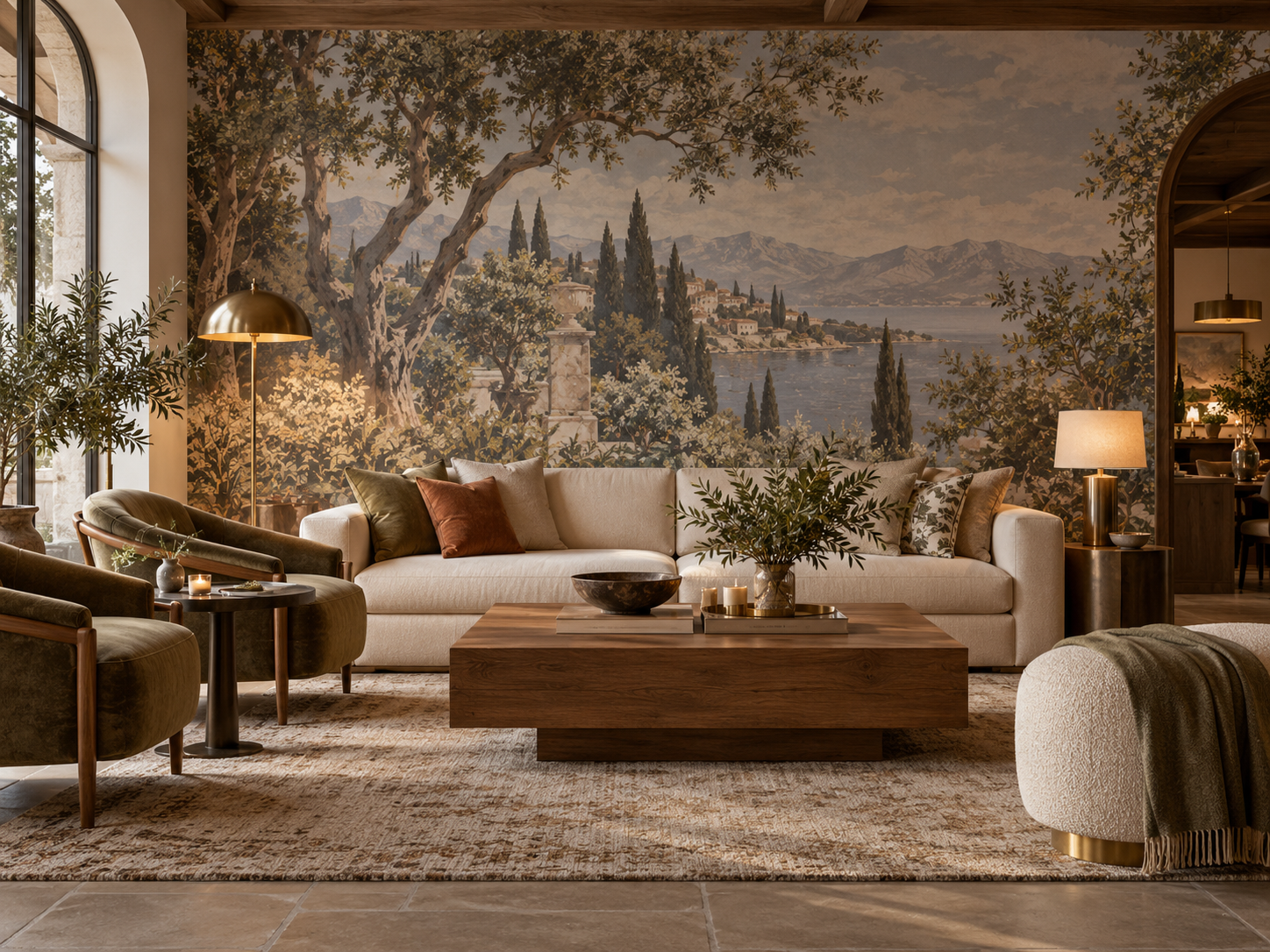
Example application: Any room with a suitable, prepared wall · pricing and measurement
Mural wallpaper customisation can range from a simple crop adjustment to a completely new artwork commission. The most common request is to alter the colour balance so the mural works with paint, flooring, upholstery, or existing furniture. Other requests include changing the scale, extending a background, removing a small object, or preparing a personal photograph for wall-sized printing.
Not every change is technically or commercially practical. A colour edit may be easy when the image has clean tonal areas, but difficult when the design contains transparent layers, skin tones, or subtle painterly texture. Ask what can be previewed before production and whether an edit fee applies. Clear expectations protect both the customer and the designer.
Quick answer: Mural wallpaper customisation can range from a simple crop adjustment to a completely new artwork commission. The most common request is to alter the colour balance so the mural works with paint, flooring, upholstery, or existing furniture. Other requests include changing the scale, extending a background, removing a small object, or preparing a personal photograph for wall-sized printing.Colour changes and tonal adjustments
A designer may be able to make a mural warmer, cooler, lighter, darker, softer, or more muted. Requests such as “less blue” are easier to interpret when you provide a reference colour, paint code, fabric sample, or a description of the desired mood. A screen cannot reproduce every printed colour exactly, so a physical sample remains valuable for important projects.
Consider adjusting the overall palette rather than asking for every individual object to change. A controlled tonal shift often preserves the artwork’s depth and makes it easier to style with neutral furniture. If the design includes strong greens, reds, or deep navy, ask whether the finish and substrate affect the final appearance.
Cropping, scale, and composition
Cropping is usually the most practical form of customisation. The artwork can be positioned so a focal tree, floral cluster, or horizon sits above the furniture. Scaling can make a motif feel more expansive or more delicate, but extreme enlargement may reduce detail or change the intended balance.
Composition changes are more involved. Removing a lamp post, extending a sky, or adding space around a subject may require image editing and a proof. Provide the exact wall dimensions and a photo of the room so the designer understands what the mural needs to do, not just what the file contains.
Working with a personal brief
A useful brief states the room, wall size, preferred mood, colours to avoid, focal point, viewing distance, and any fixed features. Add reference images only to communicate style; do not assume that another artist’s image can be copied. Our custom wallpaper service is the appropriate starting point when you need a made-to-measure or design-led request.
Keep one decision-maker responsible for approval. Too many rounds of small changes can make a design less coherent. Review a proof at the approximate final crop and confirm the panel direction, not only a close-up detail.
When to choose an existing design instead
A ready-made mural is usually faster and more predictable. If you mainly need a different scale or a softer palette, a stock design with a custom crop may solve the problem without a full commission. Browse the wallpaper mural collection and shortlist images that already have the right mood before requesting edits.
Customisation should make the mural more suitable for the room, not compensate for choosing the wrong subject. Begin with the wall’s purpose and the furniture around it. If the artwork still needs major changes after that, a bespoke design brief may be more efficient.
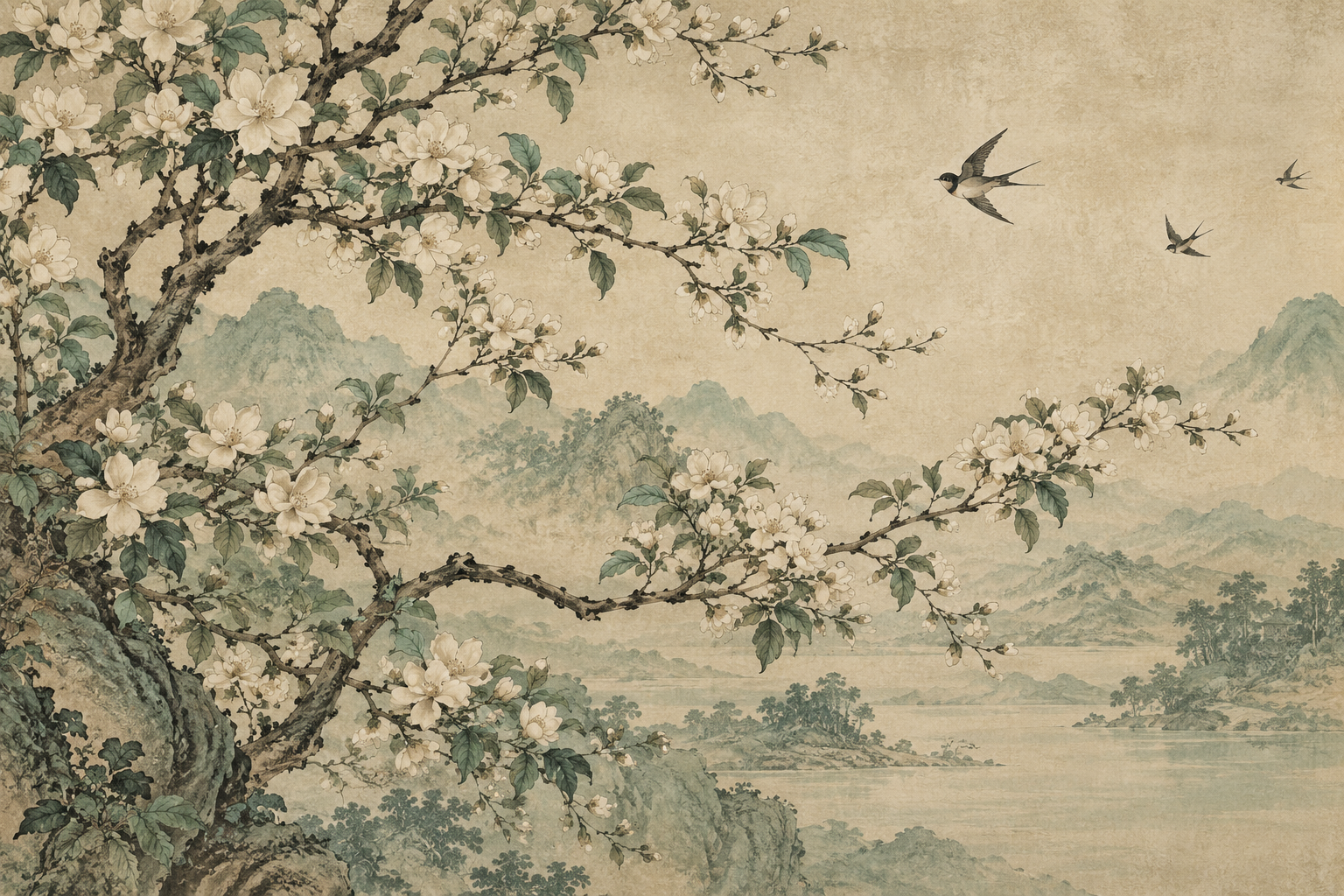 Abstract brushstroke mural wallpaper with a custom colour direction
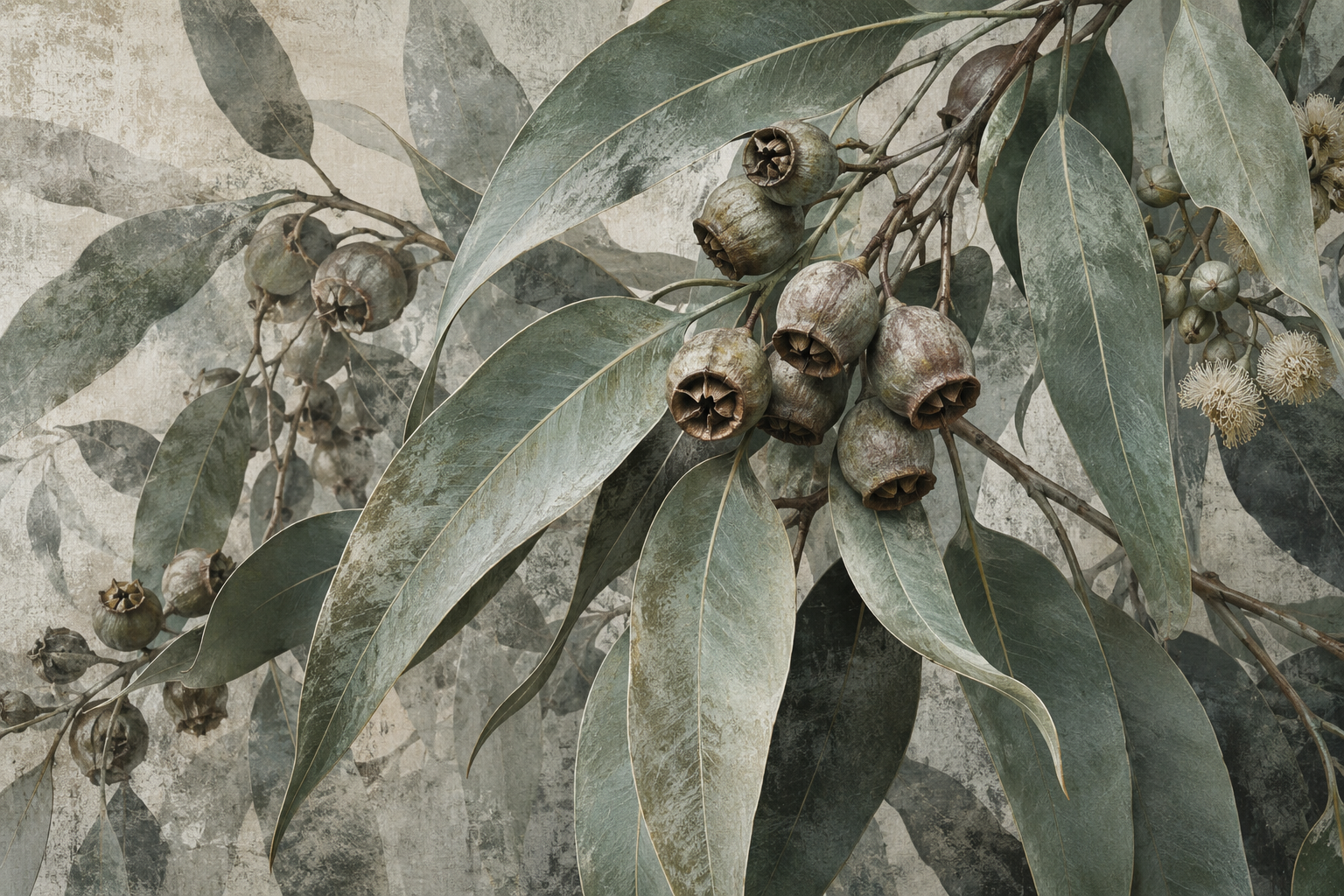 Organic abstract mural wallpaper design with layered colour and texture
Before you place the order
- Confirm the wall measurements in one consistent unit and keep a written copy.
- Check the material, installation method, cleaning guidance, and removal conditions.
- Order a sample when colour, texture, scale, or adhesion could affect the decision.
- Ask about custom cropping, production time, delivery, and what happens if a panel arrives damaged.
- Keep the product instructions, panel labels, order details, and any spare material after installation.
Questions worth asking the supplier
- Is this exact material suitable for my room conditions and wall finish?
- Will the design be custom-sized, cropped, or supplied as a fixed kit?
- What is the recommended installation and removal method?
- How long are production and delivery likely to take for my destination?
- Can I receive a physical sample or review a crop before production?
Frequently asked questions
Do mural wallpapers all use the same material?
Should I order a sample?
Can I install every mural myself?
Practical checklist for this mural wallpaper question
Start with the room rather than the product page. For “Can You Customise the Colours or Design of a Mural Wallpaper?”, note whether the wall is a feature wall, a full-room installation, a rental surface or a high-contact area. Write down the room use, natural light, furniture position, ceiling height and the visual mood you want. These details make the final choice more specific and help you reject attractive options that would be impractical in the real space.
Measure before selecting a final crop. Record the usable width and height at several points, then include windows, doors, sockets, radiators, alcoves and skirting boards. A wall can be out of square even when it looks straight. For “Can You Customise the Colours or Design of a Mural Wallpaper?”, accurate measurements protect the main composition and make it easier to decide where a horizon, flower, architectural line or other important feature should sit.
Surface preparation is a design decision as well as an installation task. The wall should be clean, dry, stable and reasonably smooth. Remove loose paint, repair holes, reduce heavy texture and allow repairs to dry fully. When considering “Can You Customise the Colours or Design of a Mural Wallpaper?”, remember that wallpaper cannot hide damp, movement, deep ridges or unstable paint. A sound surface gives the mural cleaner seams and a more predictable finish.
Think about scale from the distance at which the mural will normally be viewed. A small room may need a calm composition with breathing space, while a large wall can carry a stronger focal subject. For “Can You Customise the Colours or Design of a Mural Wallpaper?”, preview the artwork beside the actual furniture and openings. Check both the full-wall view and the close-up detail so the design remains attractive after it is enlarged and divided into panels.
Material affects how the project feels before, during and after installation. Compare paste-the-wall, non-woven, vinyl and peel-and-stick options by surface condition, handling, removability, cleaning needs and the experience of the person installing them. For “Can You Customise the Colours or Design of a Mural Wallpaper?”, choose the finish that suits the room and the wall rather than choosing only by the lowest price. A good material match reduces avoidable rework.
The order confirmation should be treated as a final design proof. Check the spelling of the address, wall width, wall height, unit, crop direction, panel order, material and any trim allowance. For “Can You Customise the Colours or Design of a Mural Wallpaper?”, also confirm that the preview shows the complete composition you intend to buy. If an important detail is too close to an edge, ask for a change before production begins.
Plan the installation day before the parcel arrives. Clear the wall, protect the floor, gather a sharp knife, straightedge, level, smoothing tool, clean cloth and suitable adhesive when required. For “Can You Customise the Colours or Design of a Mural Wallpaper?”, allow enough time to work without rushing. Keep panels in order, read the supplied instructions and avoid cutting every panel before the first placement has been checked.
Lighting can change the apparent colour and texture of a mural. View a sample or preview in daylight and in the room’s evening lighting, especially when the design contains pale neutrals, dark backgrounds or reflective areas. When evaluating “Can You Customise the Colours or Design of a Mural Wallpaper?”, compare the artwork with flooring, upholstery, wood, stone and metal already in the room. The best result usually feels connected to the existing palette.
Care should be planned according to the selected finish. Use the manufacturer’s cleaning instructions, avoid saturating seams, remove marks gently and keep sharp furniture edges away from vulnerable areas. For “Can You Customise the Colours or Design of a Mural Wallpaper?”, ask how the surface should be maintained before ordering if the room is busy or likely to need frequent cleaning. Careful handling protects colour, adhesion and the crisp appearance of the image.
A custom mural is made for a particular wall, so the project information deserves a final pause before payment. Confirm the design source, image resolution, crop, dimensions, material, delivery address and the contact method for questions. For “Can You Customise the Colours or Design of a Mural Wallpaper?”, keeping a copy of the approved preview and order details makes later installation or support conversations much easier.
Use a simple decision record to compare alternatives. Write one sentence explaining why the chosen design suits the room, one sentence explaining why the material suits the wall, and one sentence explaining how the installation will be completed. For “Can You Customise the Colours or Design of a Mural Wallpaper?”, this short record exposes missing information early and turns a broad inspiration search into a clear, achievable mural wallpaper plan.