Can Mural Wallpaper Be Installed on Textured Walls?
Understand the risks of applying mural wallpaper over textured walls and the preparation options that improve adhesion and seam quality.
Article focus: pricing and measurement
Quick answer
Start with accurate wall measurements; the final custom mural price depends on area, material and any finishing options.
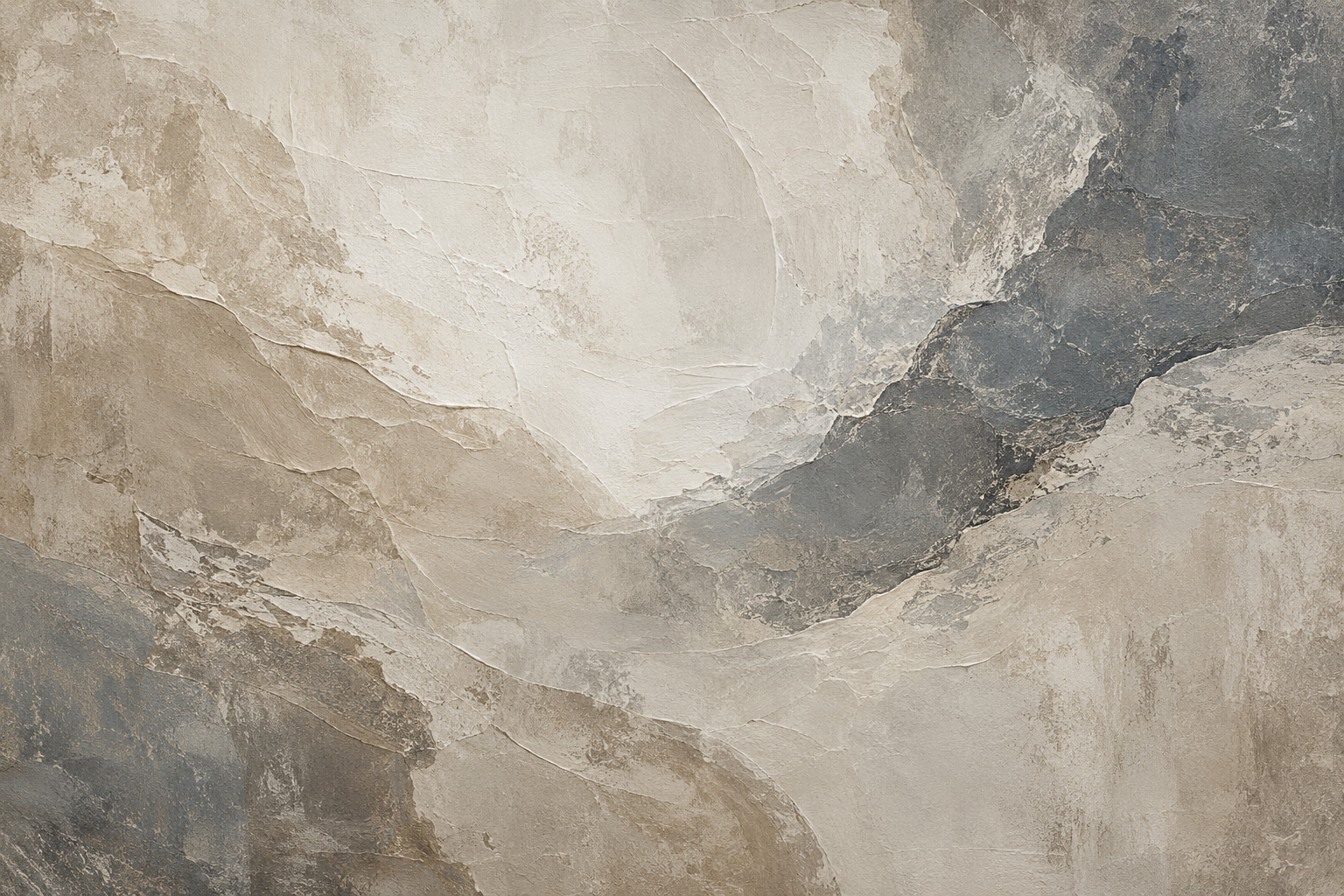
Example application: Any room with a suitable, prepared wall · pricing and measurement
Mural wallpaper can sometimes be installed on lightly textured walls, but a smooth surface is the safer standard. Texture creates peaks and valleys where the adhesive may not make even contact. It can also show through the print, make seams look heavier, and trap air behind the panel. The more detailed or high-contrast the mural, the more noticeable these issues may become.
Before deciding, identify the texture type and the exact mural substrate. A commercial vinyl mural, non-woven paste-the-wall product, and peel-and-stick film may respond differently. Ask the supplier whether the warranty covers textured surfaces. If the answer is unclear, prepare the wall rather than gambling on the entire print run.
Quick answer: Mural wallpaper can sometimes be installed on lightly textured walls, but a smooth surface is the safer standard. Texture creates peaks and valleys where the adhesive may not make even contact. It can also show through the print, make seams look heavier, and trap air behind the panel. The more detailed or high-contrast the mural, the more noticeable these issues may become.Light texture versus heavy texture
A very fine, stable texture may be acceptable for some thicker wall coverings, especially when the design itself has a canvas or plaster look. Heavy orange-peel, knockdown, brick, wood panelling, and deep decorative texture are much less forgiving. Pressing harder during installation does not remove the underlying peaks.
View the wall with a torch held at a low angle. This reveals ridges and loose particles that normal room light hides. Photograph the texture beside a ruler and send it to the supplier if you need a material recommendation.
Why peel-and-stick is sensitive
Peel-and-stick depends on consistent contact across the backing. On texture, it may adhere only to the high points and create hollow areas between them. Edges and seams can lift first, particularly in a room with changing temperature or humidity.
A stronger adhesive is not automatically the answer. It can make removal more damaging while still failing to produce a flat appearance. Surface preparation is usually the more reliable solution.
Preparing the wall
The normal preparation path is to remove loose material, fill deeper grooves, skim the wall with a suitable compound, sand it smooth, remove dust, and prime according to the wallpaper instructions. Allow every wet layer to cure before installing. Use side lighting to check the result and repeat the process where necessary.
If you cannot skim the entire wall, a professional may recommend a liner or a different substrate. Do not mix products without checking compatibility. Some primers designed for easy wallpaper removal can be unsuitable for certain peel-and-stick adhesives.
When to choose another finish
If the texture is part of the room’s character and cannot be changed, consider a mural on a smooth removable panel, a framed textile, or a prepared board mounted safely to the wall. This preserves the artwork without asking the adhesive to bridge a difficult surface.
For a permanent renovation, smoothing the wall before ordering often gives the best visual result. A mural draws attention to a large area, so preparation errors may be more visible than they would be behind a small piece of furniture.
 Wall texture detail considered before mural wallpaper installation
 Linen-look mural wallpaper finish with subtle printed texture
Before you place the order
- Confirm the wall measurements in one consistent unit and keep a written copy.
- Check the material, installation method, cleaning guidance, and removal conditions.
- Order a sample when colour, texture, scale, or adhesion could affect the decision.
- Ask about custom cropping, production time, delivery, and what happens if a panel arrives damaged.
- Keep the product instructions, panel labels, order details, and any spare material after installation.
Questions worth asking the supplier
- Is this exact material suitable for my room conditions and wall finish?
- Will the design be custom-sized, cropped, or supplied as a fixed kit?
- What is the recommended installation and removal method?
- How long are production and delivery likely to take for my destination?
- Can I receive a physical sample or review a crop before production?
Frequently asked questions
Do mural wallpapers all use the same material?
Should I order a sample?
Can I install every mural myself?
Practical checklist for this mural wallpaper question
Start with the room rather than the product page. For “Can Mural Wallpaper Be Installed on Textured Walls?”, note whether the wall is a feature wall, a full-room installation, a rental surface or a high-contact area. Write down the room use, natural light, furniture position, ceiling height and the visual mood you want. These details make the final choice more specific and help you reject attractive options that would be impractical in the real space.
Measure before selecting a final crop. Record the usable width and height at several points, then include windows, doors, sockets, radiators, alcoves and skirting boards. A wall can be out of square even when it looks straight. For “Can Mural Wallpaper Be Installed on Textured Walls?”, accurate measurements protect the main composition and make it easier to decide where a horizon, flower, architectural line or other important feature should sit.
Surface preparation is a design decision as well as an installation task. The wall should be clean, dry, stable and reasonably smooth. Remove loose paint, repair holes, reduce heavy texture and allow repairs to dry fully. When considering “Can Mural Wallpaper Be Installed on Textured Walls?”, remember that wallpaper cannot hide damp, movement, deep ridges or unstable paint. A sound surface gives the mural cleaner seams and a more predictable finish.
Think about scale from the distance at which the mural will normally be viewed. A small room may need a calm composition with breathing space, while a large wall can carry a stronger focal subject. For “Can Mural Wallpaper Be Installed on Textured Walls?”, preview the artwork beside the actual furniture and openings. Check both the full-wall view and the close-up detail so the design remains attractive after it is enlarged and divided into panels.
Material affects how the project feels before, during and after installation. Compare paste-the-wall, non-woven, vinyl and peel-and-stick options by surface condition, handling, removability, cleaning needs and the experience of the person installing them. For “Can Mural Wallpaper Be Installed on Textured Walls?”, choose the finish that suits the room and the wall rather than choosing only by the lowest price. A good material match reduces avoidable rework.
The order confirmation should be treated as a final design proof. Check the spelling of the address, wall width, wall height, unit, crop direction, panel order, material and any trim allowance. For “Can Mural Wallpaper Be Installed on Textured Walls?”, also confirm that the preview shows the complete composition you intend to buy. If an important detail is too close to an edge, ask for a change before production begins.
Plan the installation day before the parcel arrives. Clear the wall, protect the floor, gather a sharp knife, straightedge, level, smoothing tool, clean cloth and suitable adhesive when required. For “Can Mural Wallpaper Be Installed on Textured Walls?”, allow enough time to work without rushing. Keep panels in order, read the supplied instructions and avoid cutting every panel before the first placement has been checked.
Lighting can change the apparent colour and texture of a mural. View a sample or preview in daylight and in the room’s evening lighting, especially when the design contains pale neutrals, dark backgrounds or reflective areas. When evaluating “Can Mural Wallpaper Be Installed on Textured Walls?”, compare the artwork with flooring, upholstery, wood, stone and metal already in the room. The best result usually feels connected to the existing palette.
Care should be planned according to the selected finish. Use the manufacturer’s cleaning instructions, avoid saturating seams, remove marks gently and keep sharp furniture edges away from vulnerable areas. For “Can Mural Wallpaper Be Installed on Textured Walls?”, ask how the surface should be maintained before ordering if the room is busy or likely to need frequent cleaning. Careful handling protects colour, adhesion and the crisp appearance of the image.
A custom mural is made for a particular wall, so the project information deserves a final pause before payment. Confirm the design source, image resolution, crop, dimensions, material, delivery address and the contact method for questions. For “Can Mural Wallpaper Be Installed on Textured Walls?”, keeping a copy of the approved preview and order details makes later installation or support conversations much easier.
Use a simple decision record to compare alternatives. Write one sentence explaining why the chosen design suits the room, one sentence explaining why the material suits the wall, and one sentence explaining how the installation will be completed. For “Can Mural Wallpaper Be Installed on Textured Walls?”, this short record exposes missing information early and turns a broad inspiration search into a clear, achievable mural wallpaper plan.